Every year, 20th April brings a familiar wave of headlines, commentary and public discussion about cannabis. For many people, 420 remains a cultural reference point, shaped by symbolism, visibility, and a long-standing association with cannabis.
That is the part most people see.
The more important story in the UK is what sits behind the public conversation. Since medical cannabis became legally prescribable in 2018, a regulated sector has continued to take shape. It is built on specialist prescribing, controlled manufacturing, secure distribution, pharmacy oversight and a growing network of professionals working to support patients responsibly.
At Curaleaf Laboratories, we see 420 as a useful moment to bring that side of the conversation into focus. The date is widely recognised but in a modern UK context, its real value lies in the opportunity to explain what legal medical cannabis actually looks like, how the sector has evolved and why standards matter so much as the market grows.
What is 4/20?
4/20, sometimes written as 420, is a widely recognised term associated with cannabis culture. It usually refers to 20th April and, more broadly, to the public conversation that surrounds the date.
Over time, it has become shorthand for a much wider cultural moment. That is why the date still attracts attention every year and why it remains closely linked with cannabis in the public imagination.
For the legal medical cannabis sector, though, the date is less important than the context around it. Public visibility can be useful but visibility on its own does not build understanding. That depends on facts, infrastructure and trust.
How 4/20 became culturally significant
The history of 420 helps explain why the date still carries so much weight. Over time, it became associated with public gatherings, protest, celebration and a broader recreational identity around cannabis.
That legacy still shapes the tone of much of the public conversation today. In many cases, 4/20 is treated as a cultural event first, with little room for the more practical reality of legal medical cannabis.
That is where the gap begins.
When a date becomes so strongly associated with one side of the cannabis conversation, it can leave a distorted picture of the wider space. In the UK, the medical sector is not defined by symbolism or spectacle. It is defined by regulation, quality systems and the people and processes required to support safe access.
The important story in the UK is regulated progress
Medical cannabis in the UK is not a lifestyle category. It is a regulated area of healthcare.
Cannabis-based products for medicinal use became legally prescribable in the UK on 1st November 2018. That legal change created a route for specialist prescribing under tightly controlled conditions.
Since then, the conversation has gradually shifted. The question is no longer only whether medical cannabis should have a place in UK healthcare. The question is how the sector continues to mature, how patients are supported safely and how supply, quality and compliance keep pace with growing demand.
That is the real significance of this moment.
When public attention turns to cannabis, it creates an opportunity to explain that legal medical cannabis in the UK is not informal, improvised, or operating at the edges of healthcare. It is an emerging regulated sector that depends on clear clinical pathways, compliant manufacture, responsible distribution and pharmacy-led dispensing.
What medical cannabis looks like in practice
A regulated sector depends on multiple parts working together and each one matters.
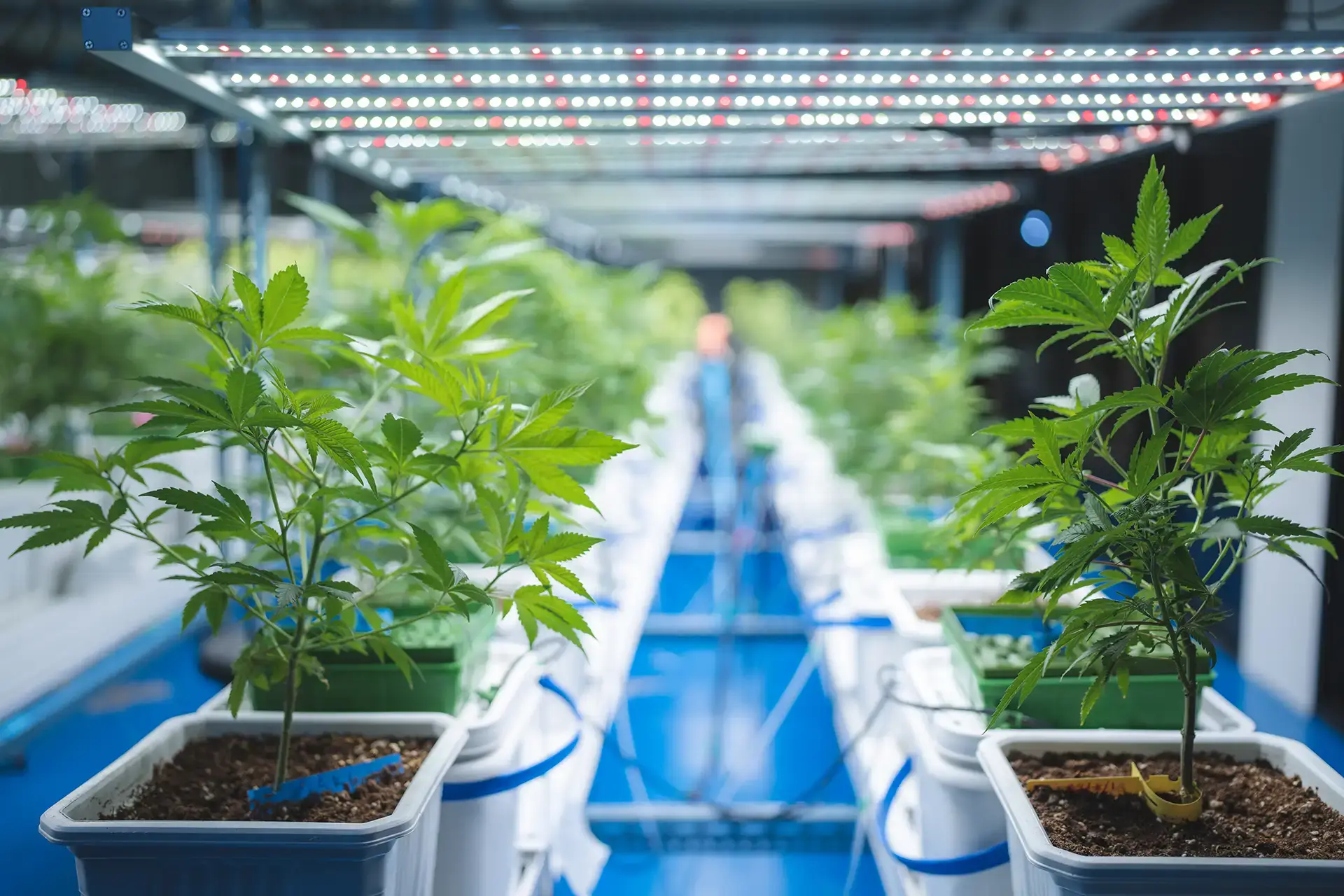
The process begins with specialist clinicians and clinics assessing whether treatment may be appropriate. From there, it relies on controlled manufacture, consistent product quality, secure import and distribution processes and safe dispensing through pharmacies.
For manufacturers and distributors, this is where standards become central. It means working within a framework shaped by quality systems, traceability, product consistency, compliance and supply integrity. It also means providing healthcare professionals and supply partners with the confidence that products are being handled within the expectations of regulated medicine.
This is what UK legal medical cannabis looks like in practice. It is not built on assumption. It is built on process.
That distinction matters, especially at times when public conversation is drawn towards cultural shorthand. The more visible cannabis becomes, the more important it is for the medical sector to explain how different this environment really is.
The people behind the sector
One of the clearest ways to cut through the noise around 4/20 is to look at the people behind legal medical cannabis in the UK.
This is a sector shaped by:
- specialist clinicians making prescribing decisions
- clinics supporting assessment and follow-up care
- manufacturers producing medical cannabis to recognised standards
- distributors managing compliant movement through the supply chain
- pharmacies dispensing prescriptions safely and accurately
- healthcare professionals helping build understanding and confidence in the category
- producers and supply partners contributing to the development of the regulated market
That is the real ecosystem behind access.
It is not one organisation acting alone, and it is not a simple supply story. It is a connected system in which science, compliance, patient need, and operational capability all have to align.
At Curaleaf Laboratories, that wider perspective is central to how we work. Our role is not only to manufacture and distribute. It is also to help support the infrastructure of the market by working with clinics, prescribers, producers, pharmacies and healthcare professionals across the UK. You can explore that in more detail on our Our Services page.
UK medical cannabis by the numbers
The sector’s growth is easier to understand when viewed over time.
The legal route began in 2018. Since then, the market has developed rapidly, supported by expanding awareness, broader clinical engagement and growing supply capability.
Industry analysis points in the same direction. Recent market reporting has estimated an active UK patient base of roughly 60,000 to 80,000 people, with around 100,000 individuals expected to receive treatment during 2026.
These are industry estimates rather than official government counts but the broader signal is clear. Medical cannabis in the UK is no longer a marginal conversation. It is a developing healthcare category supported by increasing operational depth.
That growth brings responsibility with it.
As the sector expands, expectations around quality assurance, supply resilience, product consistency and regulatory confidence become even more important. Growth without infrastructure creates fragility. Growth supported by standards creates long-term trust.
Why this matters now
This is where 4/20 becomes useful in a more professional sense.
Public attention creates visibility,but visibility alone can flatten the story. It can reduce a complex, regulated medical sector to a set of familiar cultural references that no longer reflect the reality on the ground.
For the UK medical cannabis industry, the more important task is to keep explaining what this category has become. Not just a legal milestone but a functioning ecosystem with real patients, real clinical pathways and real standards behind it.
That is why the conversation matters now.
The sector is reaching a point where maturity depends not only on demand, but on trust. And trust is built through reliable supply, strong compliance, clear communication and the continued professionalisation of the market.
How Curaleaf Laboratories fits into that progress
Curaleaf Laboratories operates within that wider picture.
As a manufacturer and distributor working across the UK medical cannabis market, our focus is on helping support a category that is safe, regulated, and built for long-term confidence. That means combining operational capability with compliance, quality, and a clear understanding of what healthcare partners need from the supply chain.
It also means recognising that the future of the sector will depend on more than public awareness alone. It will depend on the continued development of the systems, partnerships, and standards that allow legal medical cannabis to function properly at scale.
So while 4/20 may continue to draw attention for cultural reasons, the stronger story for the UK is this: legal medical cannabis has moved far beyond symbolism. It is now an evolving regulated sector, supported by the people, infrastructure and discipline needed to deliver care responsibly.
To learn more about our role in that ecosystem, visit Medical Cannabis, explore Our Services, or contact Curaleaf Laboratories.
FAQs
What does 4/20 mean?
4/20 is a cultural reference associated with cannabis. It usually refers to 20th April and the wider conversation linked to that date.
Why is 4/20 still so visible?
The date has long been associated with cannabis culture, public gatherings and changing attitudes towards cannabis, which is why it continues to attract annual attention.
When was medical cannabis legalised in the UK?
Cannabis-based products for medicinal use became legally prescribable in the UK on 1st November 2018 under specialist supervision.
What does legal medical cannabis in the UK look like today?
It is a specialist-led, highly regulated pathway involving clinical assessment, compliant manufacturing and distribution and safe dispensing through pharmacies.
Why is compliance so important in this sector?
Because trust in legal medical cannabis depends on consistent product quality, secure supply, traceability and confidence that the category is operating to the standards expected of regulated medicine.
Where can I learn more about Curaleaf Laboratories?
You can read more about medical cannabis, explore our services, or get in touch with our team.